Adult Coaching Information
ADHD is hard — but so are YOU.
Thank you so much for advocating for yourself and scheduling a consultation call. This page highlights what is discussed during a consultation call, and gives you a clear picture of what ADHD coaching looks like with me.
If we have met already and you have any questions or would like to schedule a 15-minute follow-up call, send me an email (easyadhd@gmail.com) and I will send you my scheduling link.
Many people who meet with me are also exploring other ADHD coaches, so these highlights are here to support you as you decide what feels like the best fit.
-
You may be a great fit for coaching if you:
Want structure, support, and accountability
Want to understand your brain rather than fight it
Are open to trying new strategies and experimenting
Want to build routines, organization, and follow-through
Want calmer emotions and better life systems
-
Reduce overwhelm
Build consistent routines
Improve emotional regulation
Increase follow-through
Strengthen communication
Navigate transitions (home, work, college, relationships)
Feel calmer, more capable, and more confident
-
Executive Function & Productivity
Time management and planning
Prioritization and decision-making
Task initiation and reducing avoidance
Organization and follow-through
Systems, routines, and structure
Working-memory strategies
-
Emotional regulation and grounding
Stress and overwhelm management
Confidence and resilience building
Communication and self-advocacy
Navigating social cues and relationships
-
Workplace communication
Career development and interview readiness
Managing transitions and life changes
Values-based decision-making
Boundary setting and balancing responsibilities
What ADHD Coaching Helps With
Executive Function Skills
Planning and prioritizing
Working memory
Organization and sequencing
Time management and time awareness
Task initiation and follow-through
Flexible thinking and cognitive shifting
Emotional regulation
Impulse control
Self-monitoring and self-reflection
-
Clarify goals that genuinely matter to you
Break them into small, realistic steps
Use dopamine-friendly motivation boosters
Build consistency through micro-wins
Reduce pressure, stress, and overwhelm
-
Your top 1–3 weekly priorities
A simple, clear action plan
Personalized tools you can use right away
Compassionate accountability and encouragement
-
Adults I work with often experience:
Less overwhelm and chaos
More consistency and control
Calmer emotions
Stronger communication and relationships
Better workplace performance
More confidence and self-trust
A daily life that feels easier, clearer, and more aligned
-
Three-Month Coaching Commitment
Real ADHD progress comes from consistency, repetition, and support. A three-month commitment allows the space needed to build strong habits and long-lasting systems.
Scheduling & Frequency
Weekly or bi-weekly sessions
Most clients begin weekly to build momentum
Session Details
50-minute sessions
Light reflection or homework between sessions
Available in-person, virtual, or hybrid
What It’s Like Working With Me
My Coaching Approach
Strengths-based and client-led
ADHD-informed and neurodiversity-affirming
Warm, nonjudgmental partnership
Practical, real-life integration
Tools customized to your brain
Structure without rigidity
Many adults with ADHD come to coaching feeling overwhelmed, stuck, or frustrated that things seem harder than they “should” be. You are not alone. My goal is to help you feel understood, supported, and capable, not judged or pressured. Together, we build systems and habits that match your brain so life starts to feel more manageable, more motivating, and more aligned with who you want to become.
Inside a Typical Session
A short check-in and acknowledgment of wins
A focused topic or challenge
Personalized problem-solving
A simple, ADHD-friendly weekly plan
Encouraging accountability that feels supportive, not stressful
What Coaching Sessions Look Like
Session Flow
Begin → You set the agenda
Explore → We identify obstacles, patterns, strengths, and needs
Plan → We create simple next steps and accountability
What Are Executive Function Skills?
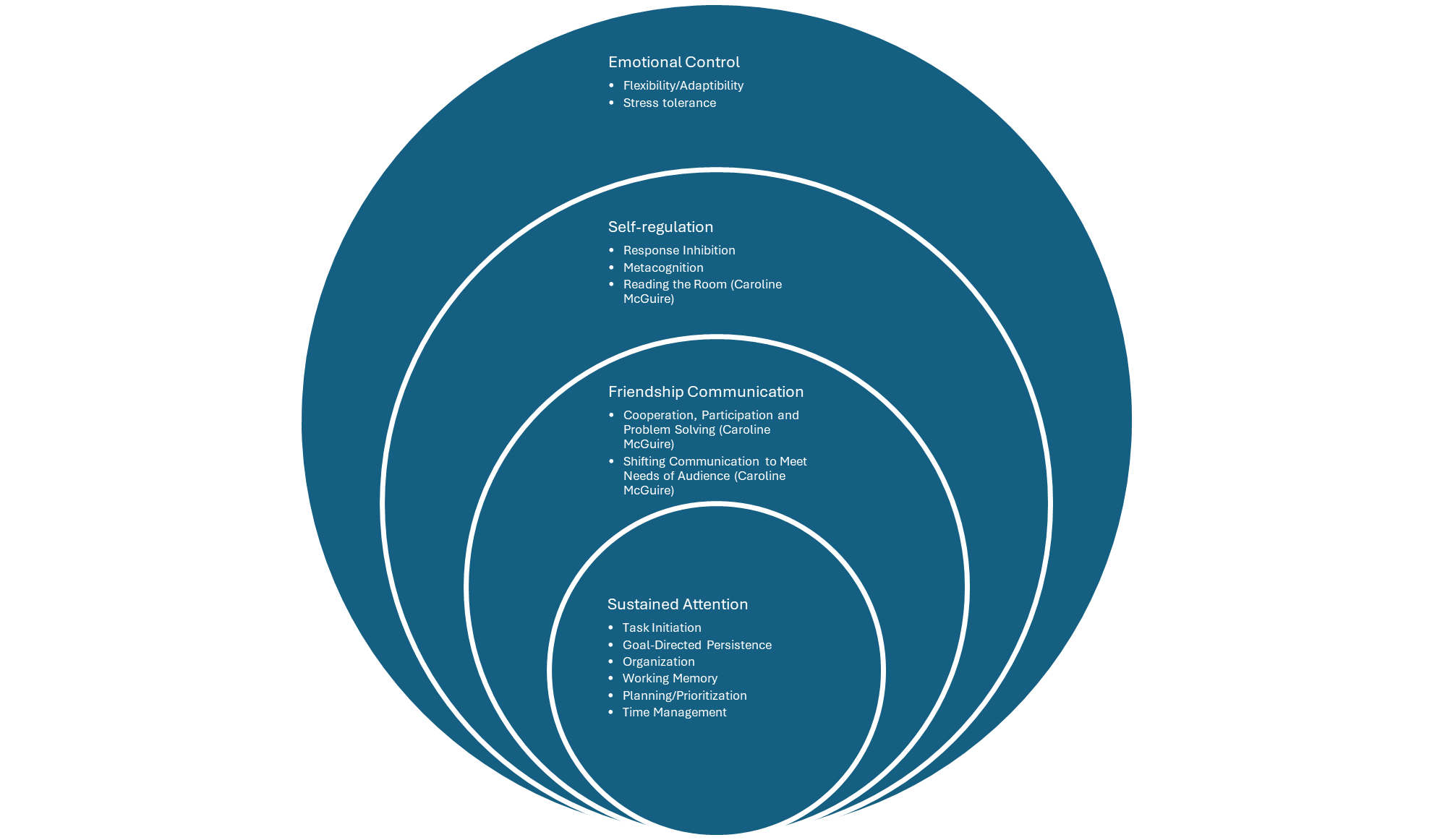
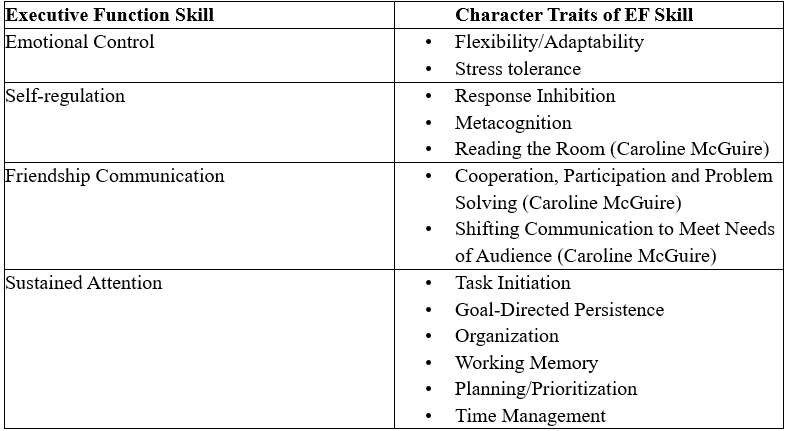
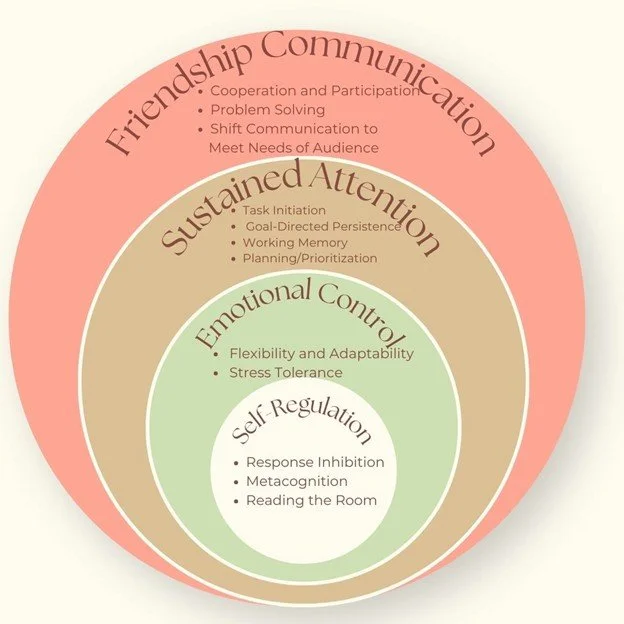
Executive Function Skills are the everyday mental abilities your brain uses to get things done. They help you organize your life, regulate your emotions, start tasks, stay focused, solve problems, and follow through.
According to Dr. Russell Barkley, EF skills act like “the secretary of the brain,” handling planning, scheduling, organizing, time management, and follow-through.
Dr. Thomas Brown describes them as “the cognitive management system,” coordinating memory, attention, emotion regulation, and behavior.
Executive Function Skills influence:
• Thinking before acting
• Holding information in mind while doing tasks
• Managing emotions
• Staying focused through boredom or distraction
• Time estimation and planning
• Starting tasks on time
• Organizing your space and systems
• Shifting plans when something changes
• Persevering through goals
• Managing stress and transitions
These skills are not about “trying harder.” They are brain-based skills that improve with coaching, tools, and support that match how your ADHD brain works.